Composer & violinist
Antonio Vivaldi
by Will Nelson
Antonio Vivaldi was an Italian composer, virtuoso violinist, music teacher, and impresario of the Baroque period. During his lifetime, he was the best-known Italian composer, famous for his operas, cantatas, and sacred music. Today, he is known primarily for his over 500 concertos and his significant contributions to Baroque style, violin technique, and orchestration.
In 1703, Vivaldi was ordained as a priest and appointed as a music teacher at the Pio Ospedale della Pietà, an orphanage for girls with a renowned music institution. With some breaks, Vivaldi remained at the orphanage until 1740. In addition to his work at the Pietà, Vivaldi acted as an impresario, managing, producing, and promoting music performances in Northern Italian cities like Venice, Mantua, Verona, and Ferrara.
By the time Vivaldi left his position at the Pietà, his music was no longer in fashion with the Venetian public. This prompted him to search for patronage elsewhere, particularly in the city of Vienna. While he had earned a lot of money for his music, he spent it lavishly. When he died in Vienna in 1741, he was likely impoverished and it is said that he was given a pauper’s funeral.
While Vivaldi wrote dozens of influential operas, perhaps his greatest contributions to the Baroque repertoire were his hundreds of concertos. Of these, Vivaldi composed over 230 concertos for violin, 39 for bassoon, 27 for cello, 26 for flute, 20 for oboe, and 5 for recorder. He also wrote several multiple concertos, concertos for more than one soloist. Some of these multiple concertos included instruments like clarinets and chalumeaus in some of their earliest orchestral appearances.
Vivaldi is often credited as an early pioneer of program music, a term coined in the Romantic period in reference to instrumental music of a narrative character. Many of his concertos, like the enormously popular The Four Seasons, received programmatic titles and narrative prefaces to be depicted through the instrumentation and composition.
Vivaldi’s musical style is marked especially by his affinity for snappy rhythms and syncopation in addition to free movement between the major and minor modes, melodies with large leaps, and a proclivity for 7th chords. The freedom of expression that these compositional techniques allowed have influenced the notion, in the words of the Vivaldi scholar Michael Talbot, that “Vivaldi can legitimately be regarded as a most important precursor … in the evolution of the Classical symphony” and “a harbinger of musical Romanticism.”
Listen
Essential works
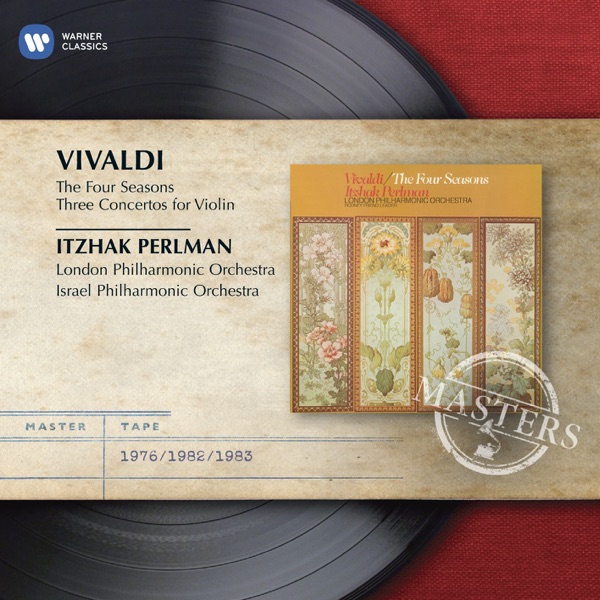
London Philharmonic Orchestra & Itzhak Perlman
London Philharmonic Orchestra & Itzhak Perlman
London Philharmonic Orchestra & Itzhak Perlman

Avi Avital & Venice Baroque Orchestra

Avi Avital, Alon Sariel & Venice Baroque Orchestra
For woodwinds
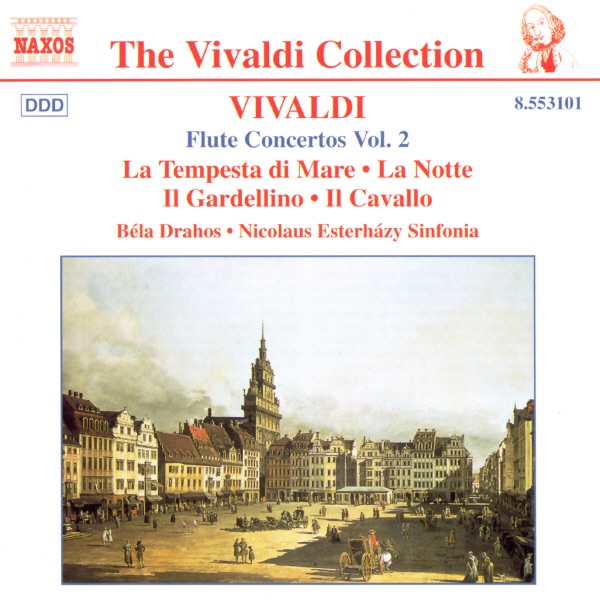

Australian Chamber Orchestra, Emmanuel Pahud & Richard Tognetti
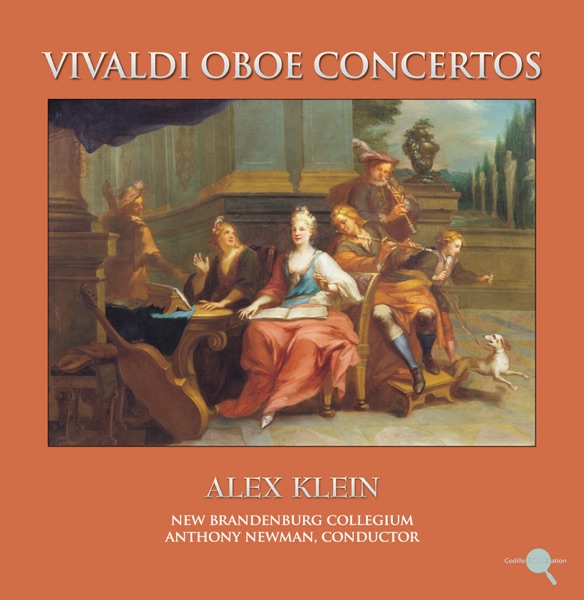
New Brandenburg Collegium, Alex Klein & Anthony Newman
Alex Klein, New Brandenburg Collegium & Anthony Newman
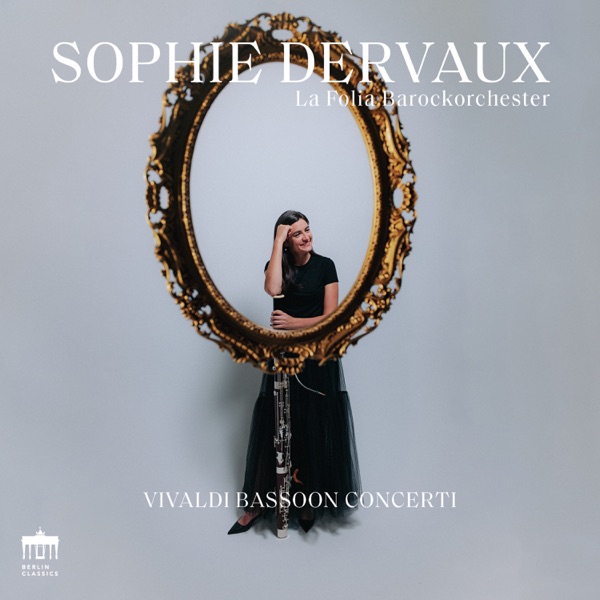
Sophie Dervaux & La Folia Barockorchester

Peter Whelan, Jupiter Ensemble & Thomas Dunford
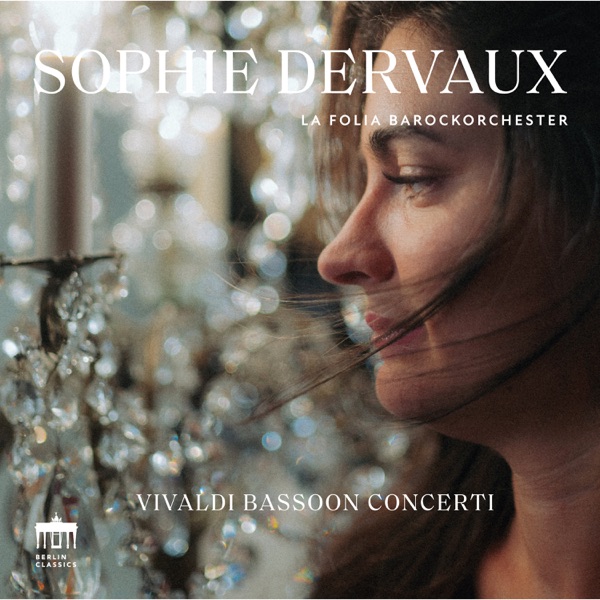
Sophie Dervaux & La Folia Barockorchester
Further reading
- Talbot, Michael, and Nicholas Lockey. “Vivaldi, Antonio.” Grove Music Online. 2001.