Wolfgang Amadeus Mozart
Wolfgang Amadeus Mozart was a Classical composer, pianist, and violinist. Mozart excelled in nearly every genre of the Classical period, writing several symphonies, concertos, string quartets, operas, and choral works.
Raised by his father Leopold Mozart, himself a composer of the early Classical period, Mozart emerged as a child prodigy. By the age of five, Mozart had already excelled at piano and violin and had begun to compose. From 1763 to 1766, Mozart’s father took him and his older sister Maria Anna (also a child prodigy) on a grand tour of Europe to showcase their musical abilities. The tour exposed Mozart to a range of styles including Italian opera, the fashionable galant style of European court music, and above all the lyrical composition of the London-based Johann Christian Bach, all of which would have a lasting influence on Mozart’s own writing.
After a tiring career as a court composer in Salzburg, Mozart moved to Vienna in 1781 where he quickly became a celebrity and rose to prominence in the city’s music scene. Mozart flourished in Vienna; here he wrote a majority of his most well-known works and became one of the city’s most in-demand pianists and composers. He would also have access to and learn from manuscripts by the Baroque composers Johann Sebastian Bach and George Frideric Handel. Through this exposure, Mozart began to weave complex Baroque counterpoint into his already diverse style characterized by its galant melodic clarity, balanced phrasing, and virtuosity. This synthesis of styles can be heard clearly in the fugal ending of Mozart’s final symphony, No. 41 (“Jupiter”).
Mozart died in 1791 at the age of 35 before completing his Requiem mass, his final major work. Though he died young, he left a wealth of contributions that helped set the example for later composers (including Ludwig van Beethoven) to perfect and expand the Classical style.
Listen
Essential works

Sir Neville Marriner & Academy of St Martin in the Fields
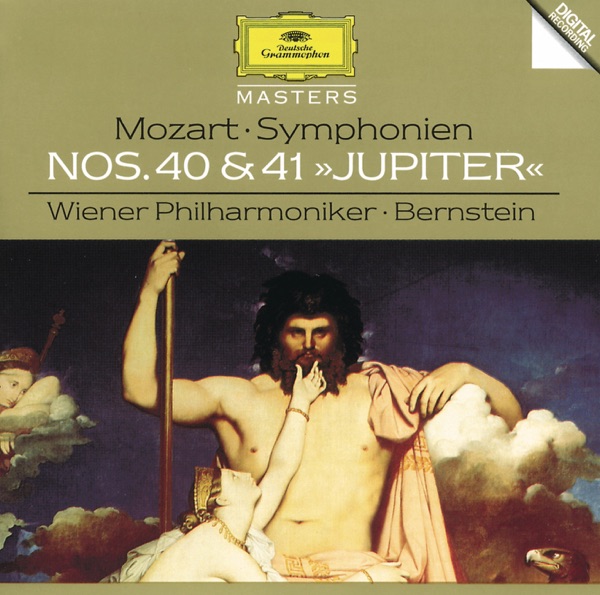
Vienna Philharmonic & Leonard Bernstein
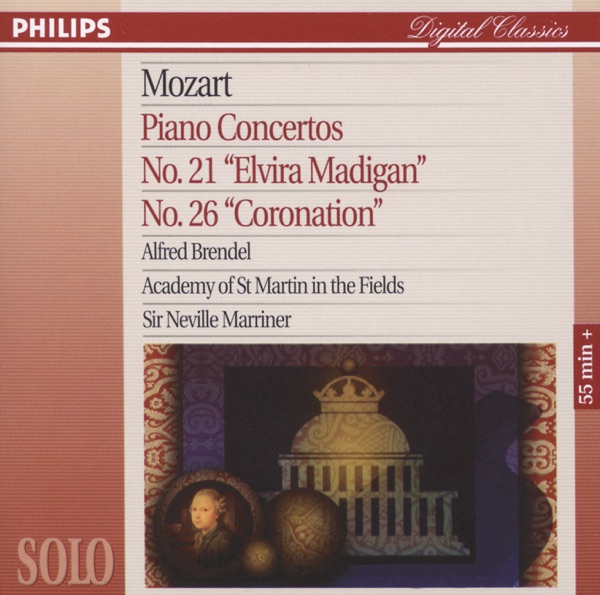
Sir Neville Marriner, Academy of St Martin in the Fields & Alfred Brendel
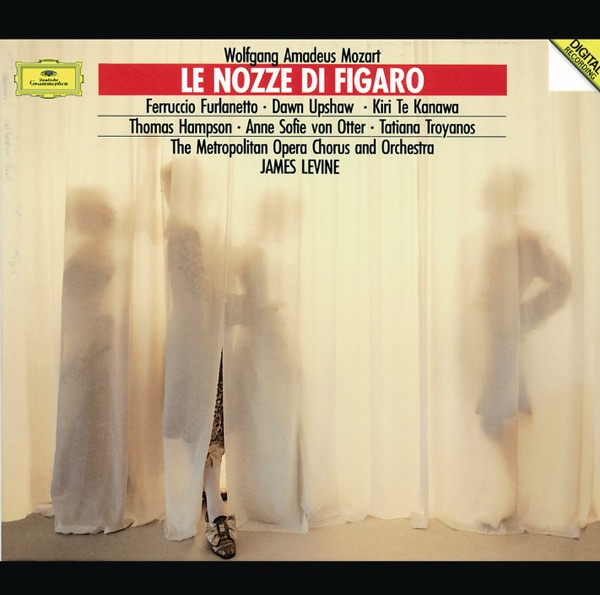
The Metropolitan Opera Orchestra & James Levine

Scottish Chamber Orchestra, Sir Charles Mackerras, Christine Brewer, Bo Skovhus & Alessandro Corbelli

The Choir of King's College, Cambridge, James Vivian & Sir Stephen Cleobury
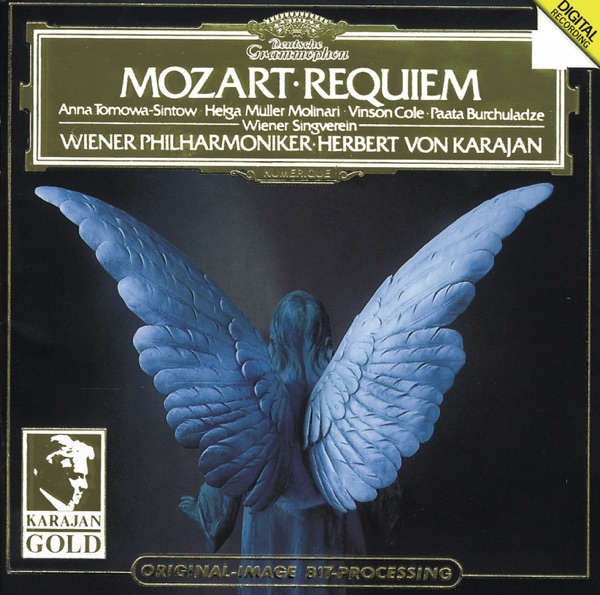
Wiener Singverein, Herbert von Karajan & Vienna Philharmonic
For woodwinds

Emily Beynon, Concertgebouw Chamber Orchestra & Henk Rubingh

Magali Mosnier & Munich Chamber Orchestra

Sir Neville Marriner, Academy of St Martin in the Fields, Irena Grafenauer & Maria Graf
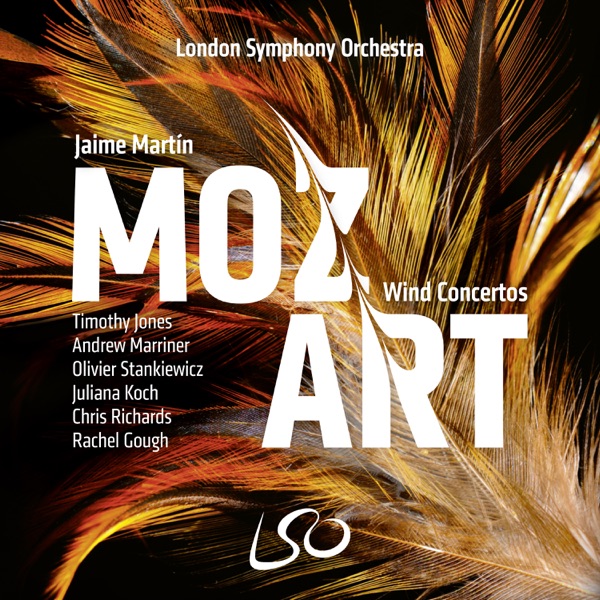
Jaime Martín, Olivier Stankiewicz & London Symphony Orchestra
Andrew Marriner, Jaime Martín & London Symphony Orchestra

Klaus Thunemann, Academy of St Martin in the Fields & Sir Neville Marriner
Klaus Thunemann & Stephen Orton
Rachel Gough, Chris Richards, Jaime Martín, Juliana Koch, London Symphony Orchestra & Timothy Jones
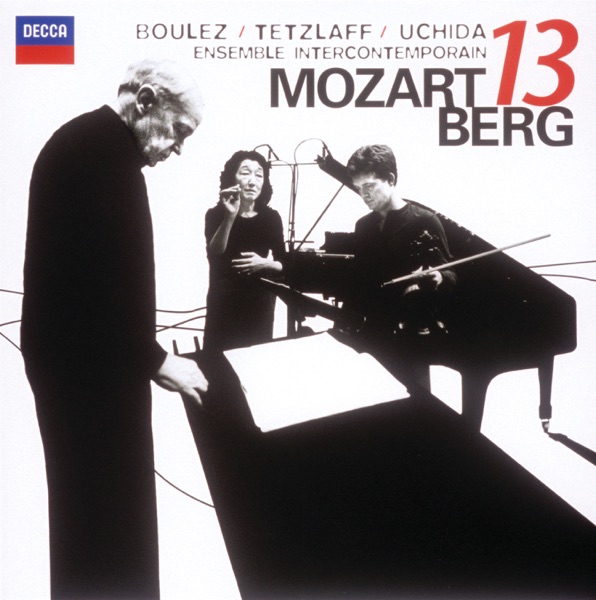
Ensemble Intercontemporain & Pierre Boulez
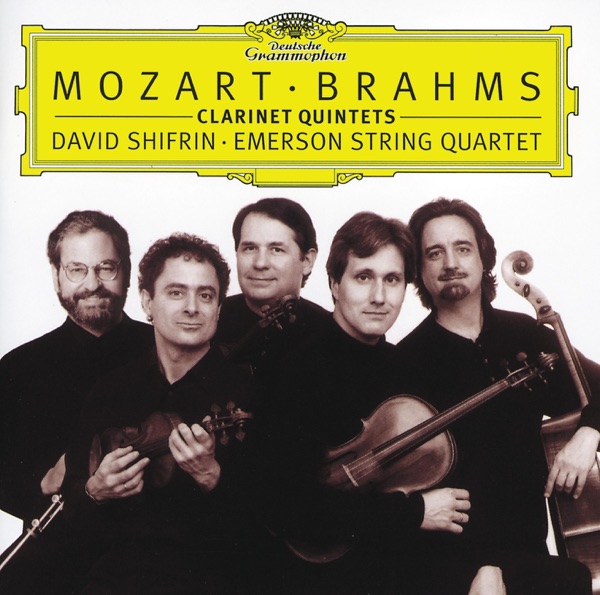
Emerson String Quartet & David Shifrin